Table of Contents
ToggleYoga for Anxiety and Stress Relief at Home (Beginner-Friendly Routine)
🧘♂️ Does Yoga Really Help Anxiety? (Science-Backed)
Yoga is not just a physical exercise — it is a powerful mind-body practice that helps calm the nervous system.
- Reduces stress hormones like cortisol
- Improves mood by increasing brain chemicals like GABA
- Promotes deep relaxation through breathing and meditation
Regular yoga practice can significantly reduce anxiety and stress levels. The combination of movement, breathing, and mindfulness helps shift your body from a “fight or flight” state to a calm and relaxed state.
🧠 Who Should Practice Yoga for Anxiety?
- People experiencing daily stress or anxiety
- Students dealing with exam pressure
- Working professionals with long screen time
- People struggling with sleep problems
- Beginners looking for a natural way to relax
Even if you have never done yoga before, you can start slowly and safely at home.
⏰ When Is the Best Time to Do Yoga for Anxiety?
🌅 Morning
- Helps start your day with a calm mind
- Reduces overthinking
🌆 Evening
- Releases stress from the day
- Relaxes your body
🌙 Before Bed
- Improves sleep quality
- Reduces nighttime anxiety
Tip: Choose a time you can stay consistent with.
⚠️ Common Mistakes Beginners Should Avoid
- Rushing through poses
- Holding your breath instead of breathing slowly
- Skipping relaxation (Savasana)
- Expecting instant results
- Practicing irregularly
Consistency is more important than perfection.
⏳ How Long Does Yoga Take to Reduce Anxiety?
- After 1 session: Feel relaxed and lighter
- After 1 week: Better sleep and less stress
- After 2–4 weeks: Noticeable reduction in anxiety
Yoga works by calming your nervous system and improving emotional balance over time.
⚡ Bonus: 10-Minute Quick Yoga Routine for Anxiety
- Deep breathing – 2 minutes
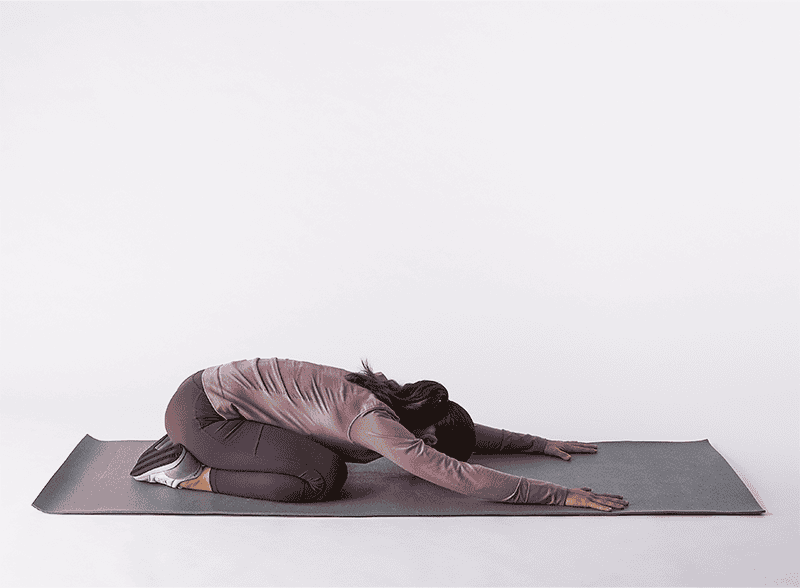
- Child’s Pose – 2 minutes
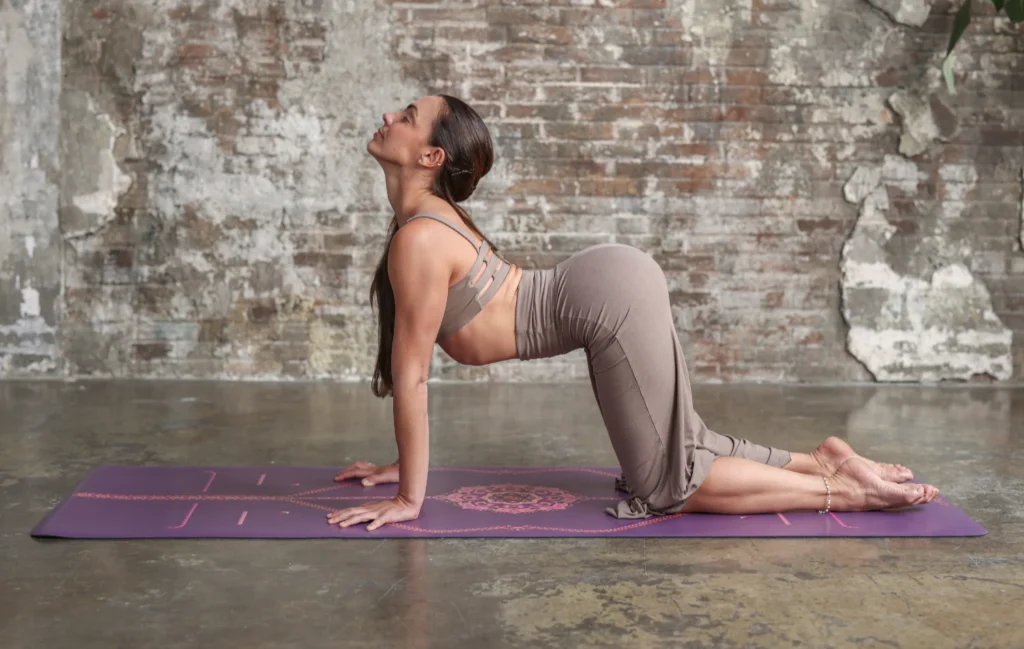
- Cat-Cow Stretch – 2 minutes
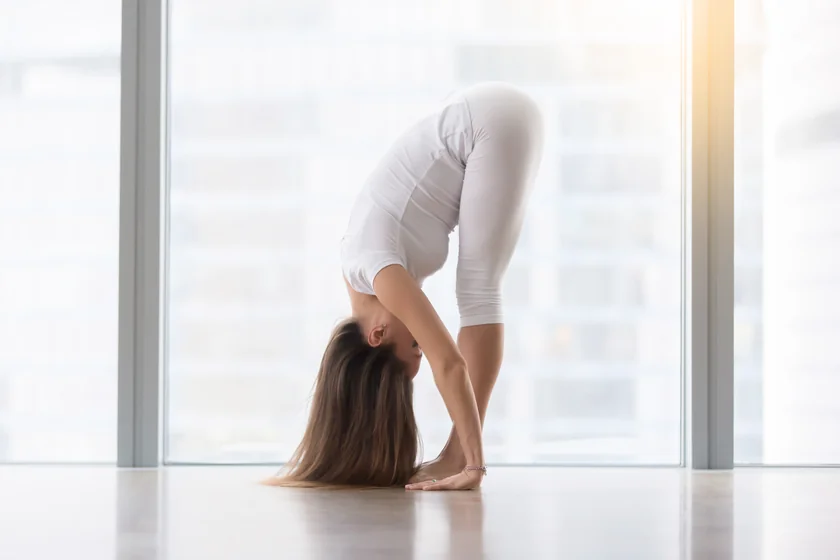
- Forward Bend – 2 minutes
- Savasana (relaxation) – 2 minutes
This quick routine can instantly calm your mind and reduce stress.
🧘♀️ 5 Best Yoga Poses for Anxiety and Stress Relief
Follow these beginner-friendly poses to calm your mind and reduce stress at home.
1. Child’s Pose (Balasana)
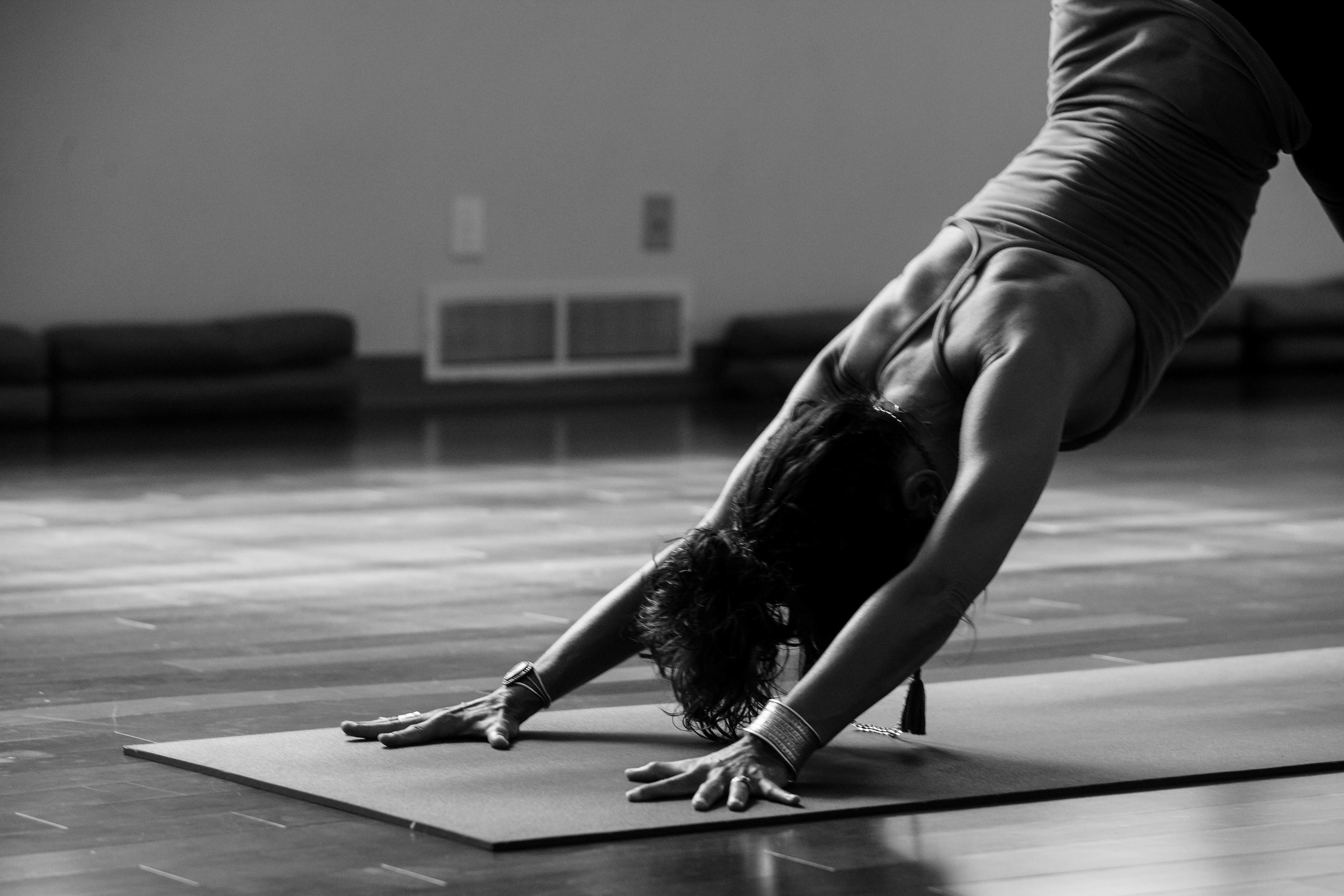
This relaxing pose helps release tension and calm the nervous system.
2. Cat-Cow Stretch (Marjaryasana-Bitilasana)
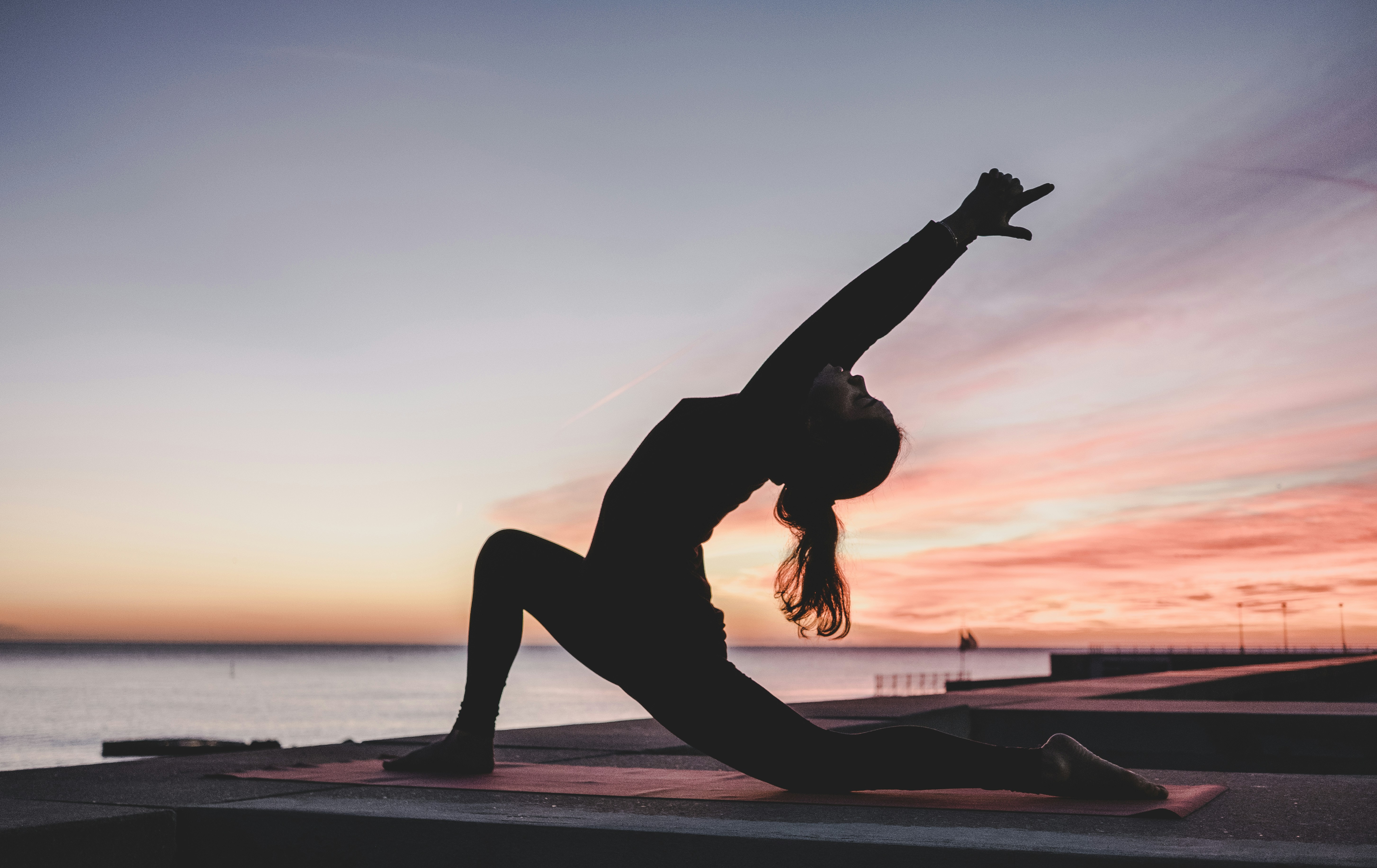
This gentle flow releases spinal tension and improves breathing.
3. Standing Forward Bend (Uttanasana)

This pose helps calm the mind and reduce fatigue.
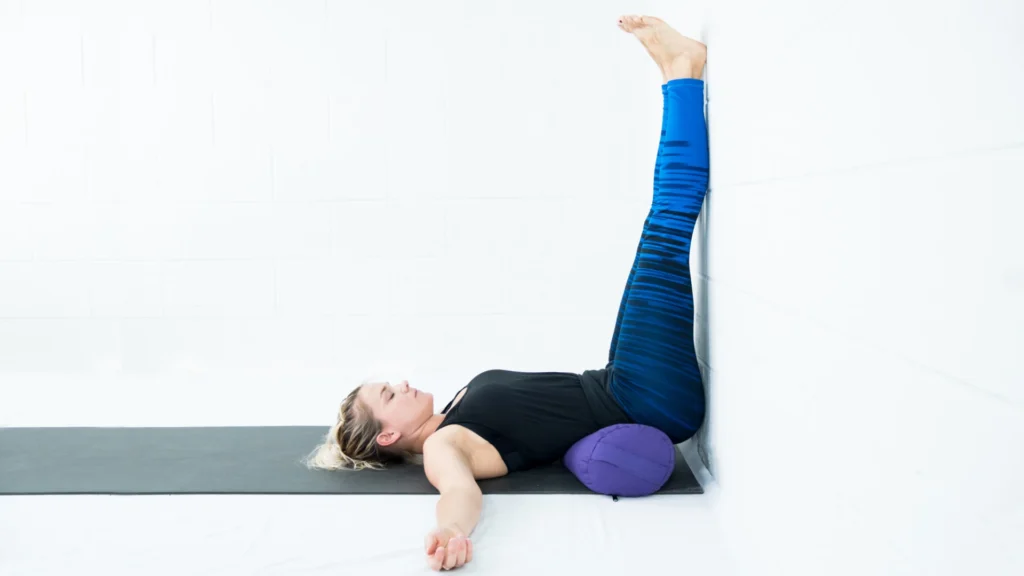
4. Legs Up the Wall (Viparita Karani)
This is one of the most powerful relaxation poses for anxiety.
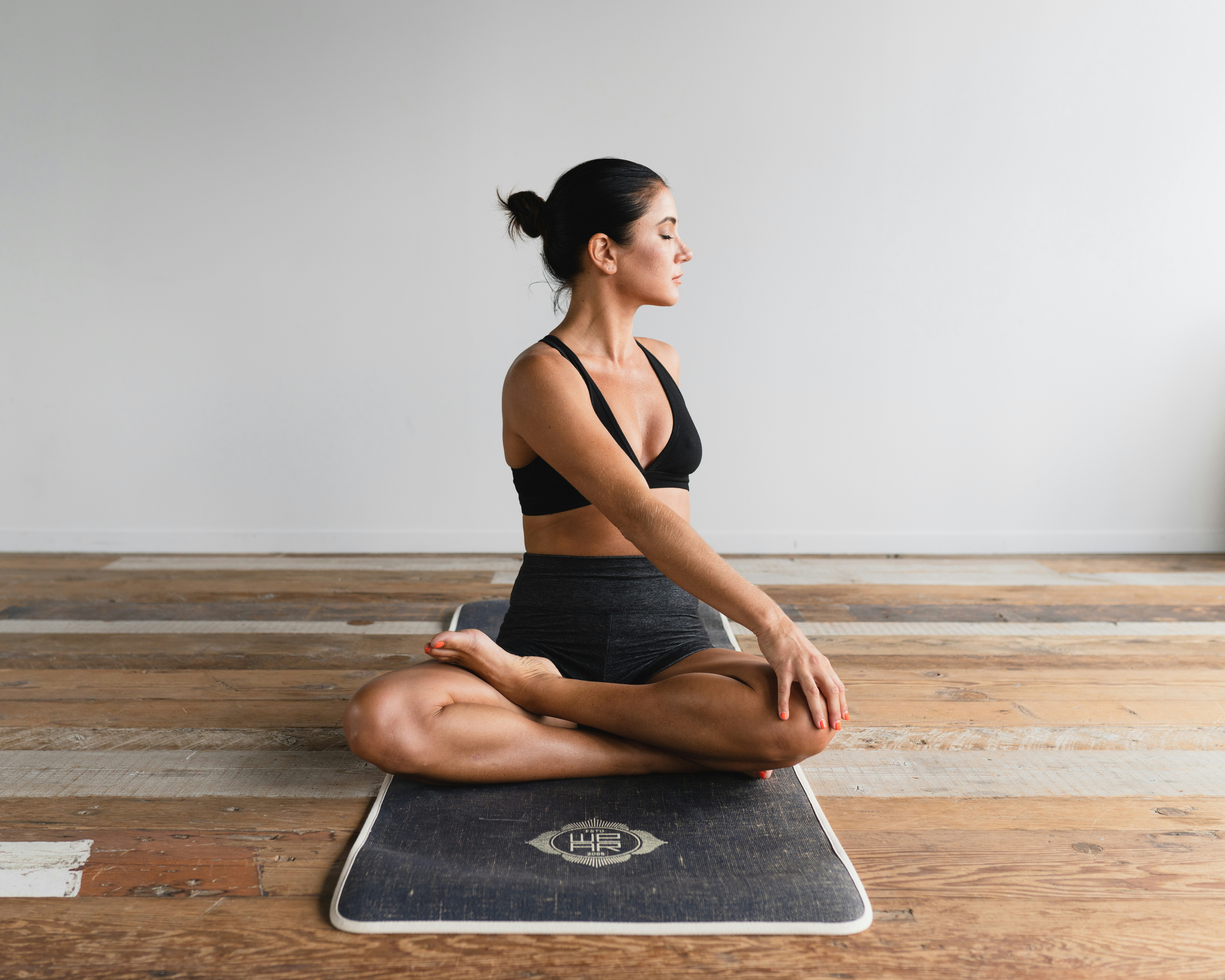
5. Savasana (Corpse Pose)
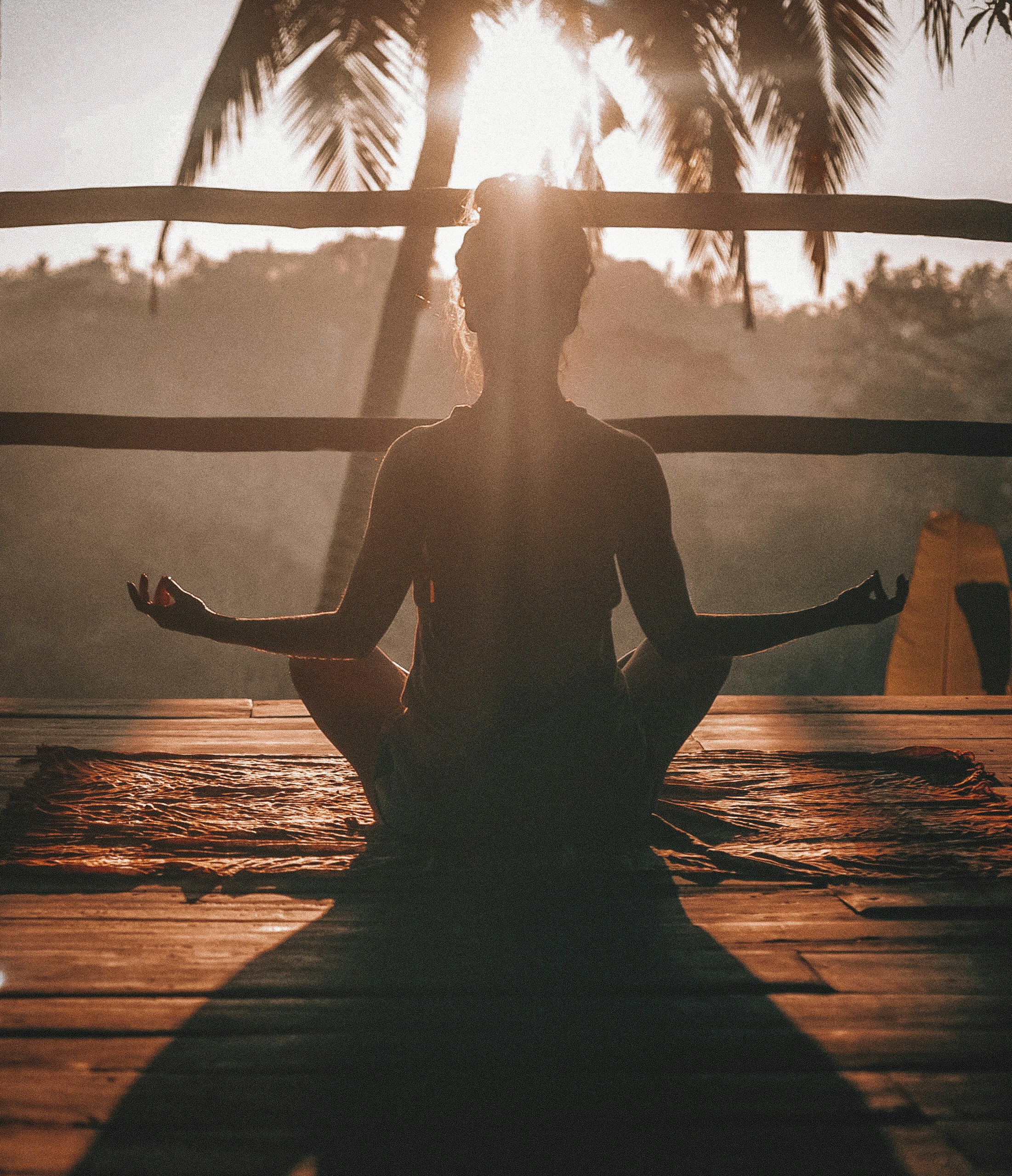
This final relaxation pose helps your body fully absorb the benefits of yoga.
🎯 Want Proper Guidance for Perfect Yoga Poses?
To learn correct posture, breathing techniques, and avoid mistakes, it’s best to follow guided sessions.
👉 Try a free yoga class or beginner program to practice safely and effectively.
Feeling anxious or stressed? This yoga for anxiety and stress relief routine helps calm your mind, relax your body, and improve your overall well-being.
You don’t need experience or flexibility. These simple yoga exercises for beginners can be done at home anytime.
🌿 Benefits of Yoga for Anxiety
- Calms the mind
- Reduces stress and anxiety
- Improves breathing
- Enhances sleep quality
- Promotes relaxation
🧘 Best Yoga Poses for Anxiety Relief
Relaxes the body and calms the nervous system.
Slows down your mind and reduces stress instantly.
Relieves tension and improves breathing rhythm.
Releases stress and tension from the body.
Provides deep relaxation and mental calmness.
⏱ 10–15 Minute Stress Relief Routine
- Deep breathing (2 minutes)
- Child’s Pose (2 minutes)
- Cat-Cow stretch (2 minutes)
- Forward Fold (3 minutes)
- Corpse Pose (5 minutes)
👉 Perfect daily yoga routine for stress relief
💡 Tips to Reduce Anxiety Naturally
- Practice daily
- Focus on breathing
- Stay in a quiet environment
- Avoid distractions
- Be consistent
🚀 Want Guided Stress Relief?
Join online yoga classes for beginners and follow expert-led sessions.
❓ Frequently Asked Questions (Yoga for Anxiety)
1. Can yoga really reduce anxiety and stress?
Yes, yoga helps reduce anxiety by calming the nervous system and lowering stress hormones like cortisol. Regular practice improves mental clarity and emotional balance.
2. How often should I do yoga for anxiety relief?
For best results, practice yoga at least 3–5 times per week. Even a short 10–15 minute daily routine can significantly reduce stress and anxiety.
3. What is the best yoga pose for anxiety?
Some of the best yoga poses for anxiety include Child’s Pose, Legs Up the Wall, Cat-Cow Stretch, Forward Bend, and Savasana. These poses help relax the body and calm the mind.
4. Is yoga better than meditation for anxiety?
Yoga and meditation both help reduce anxiety. Yoga combines physical movement with breathing, while meditation focuses on stillness. A combination of both gives the best results.
5. Can beginners do yoga for anxiety at home?
Yes, beginners can safely practice yoga at home. Start with simple poses and focus on breathing. Following a guided routine can help improve posture and effectiveness.
6. How long does it take for yoga to reduce anxiety?
You may feel relaxed after one session, but noticeable improvements usually happen within 1–4 weeks of consistent practice.
7. What time is best to do yoga for anxiety?
Morning yoga helps start the day calmly, while evening or bedtime yoga helps release stress and improve sleep quality.
8. Do I need equipment to do yoga at home?
No special equipment is required. A simple yoga mat is enough, and you can also use a towel or soft surface if needed.
🔬 Scientific FAQs: Yoga for Anxiety and Stress Relief
1. Does yoga scientifically reduce anxiety?
Yes. Research shows that yoga reduces cortisol (stress hormone) levels and increases GABA, a neurotransmitter associated with relaxation. Studies have found that regular yoga practice can significantly reduce anxiety symptoms and improve emotional regulation.
2. How quickly does yoga affect anxiety levels?
Yoga can produce immediate calming effects after a single session by activating the parasympathetic nervous system. Measurable improvements in anxiety are typically observed within 1–2 weeks of consistent practice, with stronger results after 4–8 weeks.
3. How does yoga reduce stress in the body?
Yoga activates the parasympathetic nervous system (rest-and-digest response), which reduces heart rate, lowers blood pressure, and decreases cortisol levels. This helps shift the body away from the “fight or flight” stress response.
4. How often should yoga be practiced for anxiety relief (scientifically)?
Clinical studies suggest practicing yoga at least 3–5 times per week for 20–30 minutes per session. Daily short sessions (10–15 minutes) can also produce measurable reductions in stress and anxiety.
5. Which type of yoga is most effective for anxiety?
Research indicates that slow-paced yoga styles such as Hatha Yoga, Restorative Yoga, and Yin Yoga are most effective for anxiety reduction because they emphasize breathing, relaxation, and mindfulness.
6. Can yoga improve sleep and reduce anxiety together?
Yes. Studies show that yoga improves sleep quality by calming the nervous system and reducing nighttime cortisol levels. Improved sleep directly contributes to lower anxiety and better mental health.
7. What physical changes happen in the body with regular yoga?
Regular yoga practice leads to reduced muscle tension, improved heart rate variability (HRV), lower cortisol levels, and better oxygen flow. These changes support long-term stress resilience and emotional stability.
8. Is yoga as effective as medication for anxiety?
Yoga can be an effective complementary therapy for mild to moderate anxiety. While it may not replace medication for severe conditions, studies show it significantly enhances mental well-being when combined with other treatments.
🎯 Want Faster Anxiety Relief?
Learn correct posture, breathing, and techniques with guided yoga programs.
👉 Start with a free beginner yoga session today.
🧘 Start Your Complete Yoga Journey
Want a complete step-by-step yoga plan for beginners? Explore our yoga homepage for routines, guides, and free classes.
👉 Start Free Yoga Class
Pingback: 🧘 Pranayama for Beginners (Simple Breathing Exercises for Stress & Focus) - SmartYogaGuide.com